
At first glance, the RRSP seems appealing. You receive a tax deduction when you contribute, reducing taxes during your high-income working years. The money grows tax-free until withdrawal, when you’ll ideally be in a lower tax bracket.

However, assuming taxes won’t rise in retirement is risky. In reality, taxes for retirees have been increasing and may continue to do so.
Comparisons often show RRSPs accumulating more than non-registered savings. But this overlooks the fact that RRSP withdrawals are taxed, making the real value less clear upon closer examination.
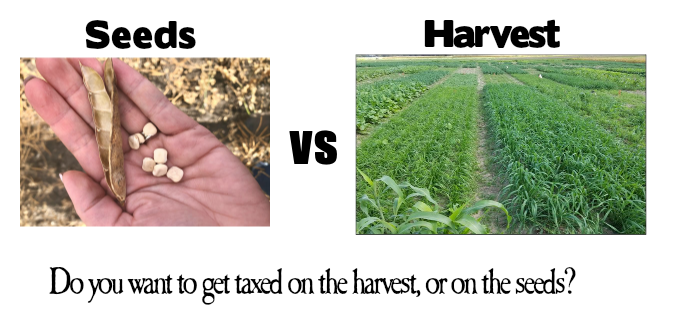
A recent study has shown that you may be paying up to 23% more tax by the time you withdraw it, compared to the tax that you are saving when you contribute into it. Come to think of it, when you contribute your money into the RRSP, the initial tax deduction may seem beneficial. However, this overlooks the potential growth of your investment over time. The concept of “Seed vs Crop” prompts us to consider where we prefer to be taxed: at the seeds we plant (initial contribution) or the crop we harvest (withdrawals) later on. This analogy invites reflection on whether deferring taxes until retirement truly optimizes our financial outcomes.
What if you could invest for your retirement in a way that isn’t just tax-deferred but completely tax-free upon withdrawal? Imagine having 100% control over your money, unlike with an RRSP where the government dictates how much you can withdraw and when. With this alternative approach, you wouldn’t have to worry about future tax burdens or government restrictions. You’d have the freedom to shape your financial future according to your own terms and needs. It’s time to explore options that offer true autonomy and tax-free benefits for your retirement savings.